Native Blooms
Here are a few of the native blooms we have at the Red River Wildlife Refuge. Native blooms are important for pollinators and birds. They are vital to our ecosystem and are able to be grown in your own yards too!
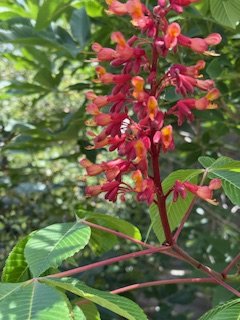
Aesculus pavia (RED BUCKEYE)
The Red Buckeye (Aesculus pavia), native to Louisiana, acts as a crucial early-spring food source,
particularly for nectar-seeking Ruby-throated hummingbirds. Its bright red, tubular flowers, blooming
in March and April, also support native bees, butterflies, and moths, while its dense foliage provides
nesting shelter for birds and small mammals.
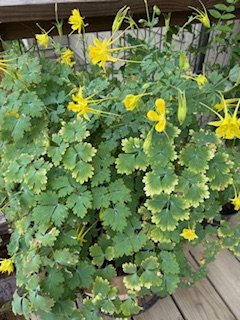
Aquilegia chrysantha (Golden Columbine)
Aquilegia chrysantha (Golden Columbine) offers significant wildlife benefits in Louisiana, acting as a
crucial early-season nectar source for hummingbirds, bees, and butterflies. It thrives in shade,
providing attractive, fern-like foliage that is resistant to deer and rabbits. The plant supports
pollinators, acts as a larval host, and produces seeds that attract birds. The bright yellow, long-
spurred flowers of A. chrysantha are specifically designed to attract nectar-loving birds, especially
hummingbirds, in spring and early summer.
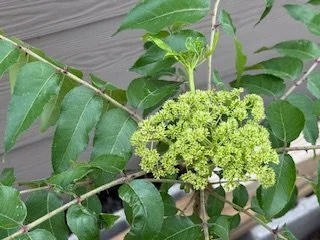
Aralia Spinoza. Devil’s Walking Stick
Aralia spinosa (Devil's Walking Stick), native to Louisiana, provides high-value wildlife benefits
by supporting pollinators with late-summer nectar and birds/mammals with fall berries. It acts as a
critical food source during summer drought and is a larval host for butterflies, all while offering habitat
structure in wooded areas. Large white flower clusters attract a wide variety of bees (honey bees,
native bees), butterflies, and wasps from mid-July to August. It is considered one of the best nectar
sources in late summer.